Organising a trip to Sri Lanka can feel overwhelming at first, but with some practical advice, planning can become more manageable. Understanding the country’s climate, travel logistics, and key attractions will help you enjoy a more relaxed and rewarding visit.
Quick Travel Summary
Sri Lanka’s travel seasons and regional weather patterns influence the best times and places to visit. Visitors should plan itineraries carefully to balance travel time and experiences, and consider practical details such as transport, accommodation, and health precautions.
When to Visit Sri Lanka
Sri Lanka experiences two main monsoon seasons that affect travel plans. The stronger monsoon runs from October to mid-December and brings heavy rainfall across much of the island, making it less ideal for travel during this period. A second monsoon affects only the south-western region around May and June, so if you plan to enjoy beach time then, the east coast is a better option for clearer weather.
September is often cited as a favorable month for travel, offering good weather and fewer crowds. Generally, the island is a suitable destination throughout winter, spring, summer, and early autumn, but planning around monsoon seasons will improve your experience.
Choosing Your Itinerary
Despite Sri Lanka’s relatively small size, road conditions can slow travel between destinations. It’s wise to build a realistic schedule that doesn’t spend too much time on the road. For first-time visitors, the Cultural Triangle is a highlight, featuring historic sites such as Sigiriya Rock Fortress, the ancient city of Polonnaruwa, the Dambulla cave temples, and the stupas of Anuradhapura.
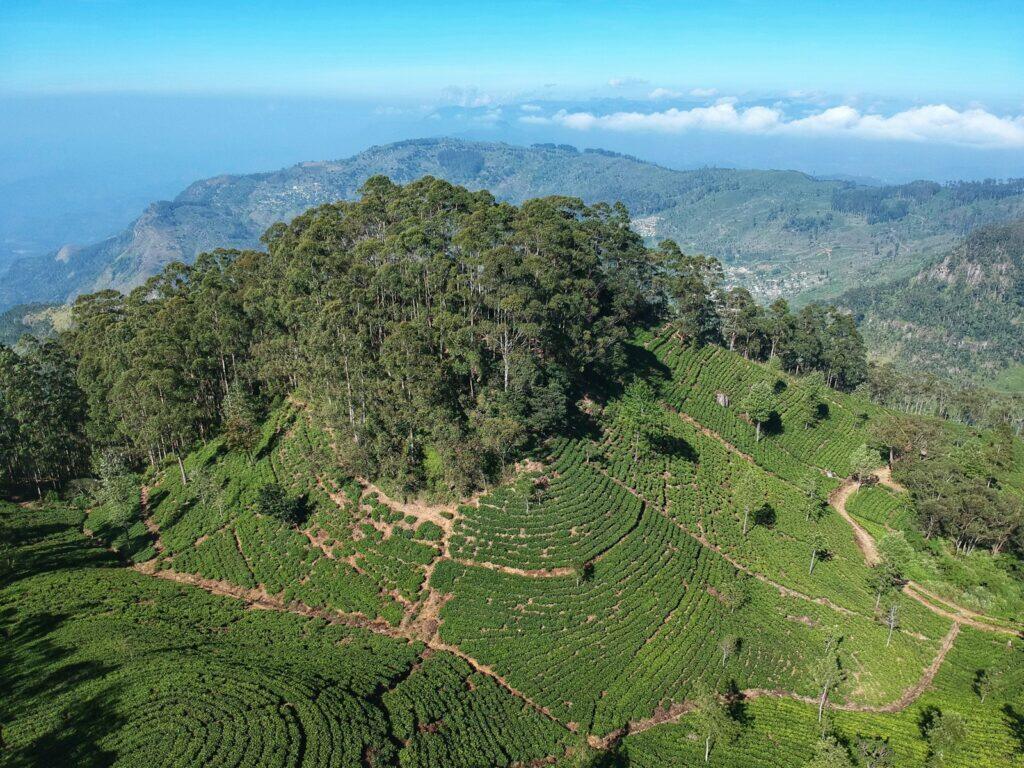
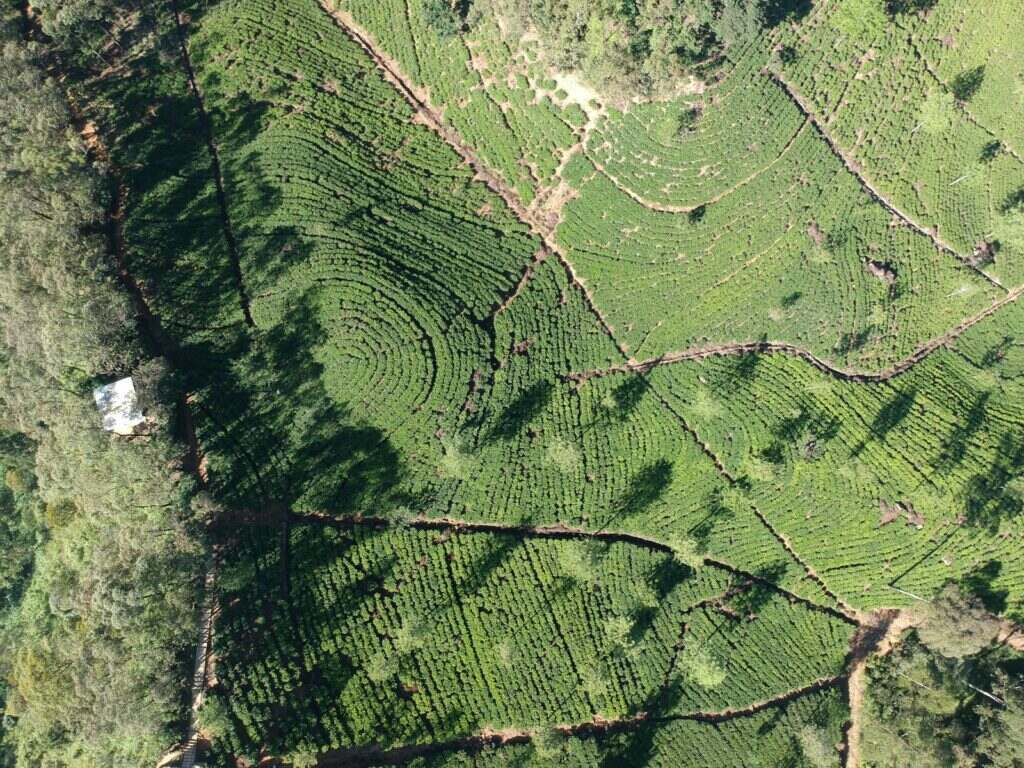
On the way to the southern coast, known for its beaches and the UNESCO-listed Galle Fort, consider stopping in Kandy, the largest city in central Sri Lanka surrounded by forested hills. The hill country tea plantations also offer unique stays in restored planters’ bungalows for an authentic experience.
For wildlife enthusiasts, Sri Lanka’s 22 national parks provide opportunities to see leopards, elephants, sloth bears, and other native species. Yala National Park is particularly renowned for its leopard population.
Visitors seeking less-traveled routes might explore the northern regions like Jaffna or the eastern coast around Trincomalee, known for its Hindu temples and distinctive culture, especially during the south-west monsoon season.
Transport and Getting Around
Direct flights to Sri Lanka are primarily operated by SriLankan Airlines, with other options including Qatar Airways and Emirates via the UAE. Within the country, public transport is available but can be slow or crowded. Trains offer scenic journeys and are recommended more for the experience than speed. Buses are faster but often busy.
Hiring a private chauffeur or guide can ease travel between destinations, providing comfort and flexibility. Though more expensive than public transport, this option reduces stress and maximizes time for sightseeing.
Accommodation Options
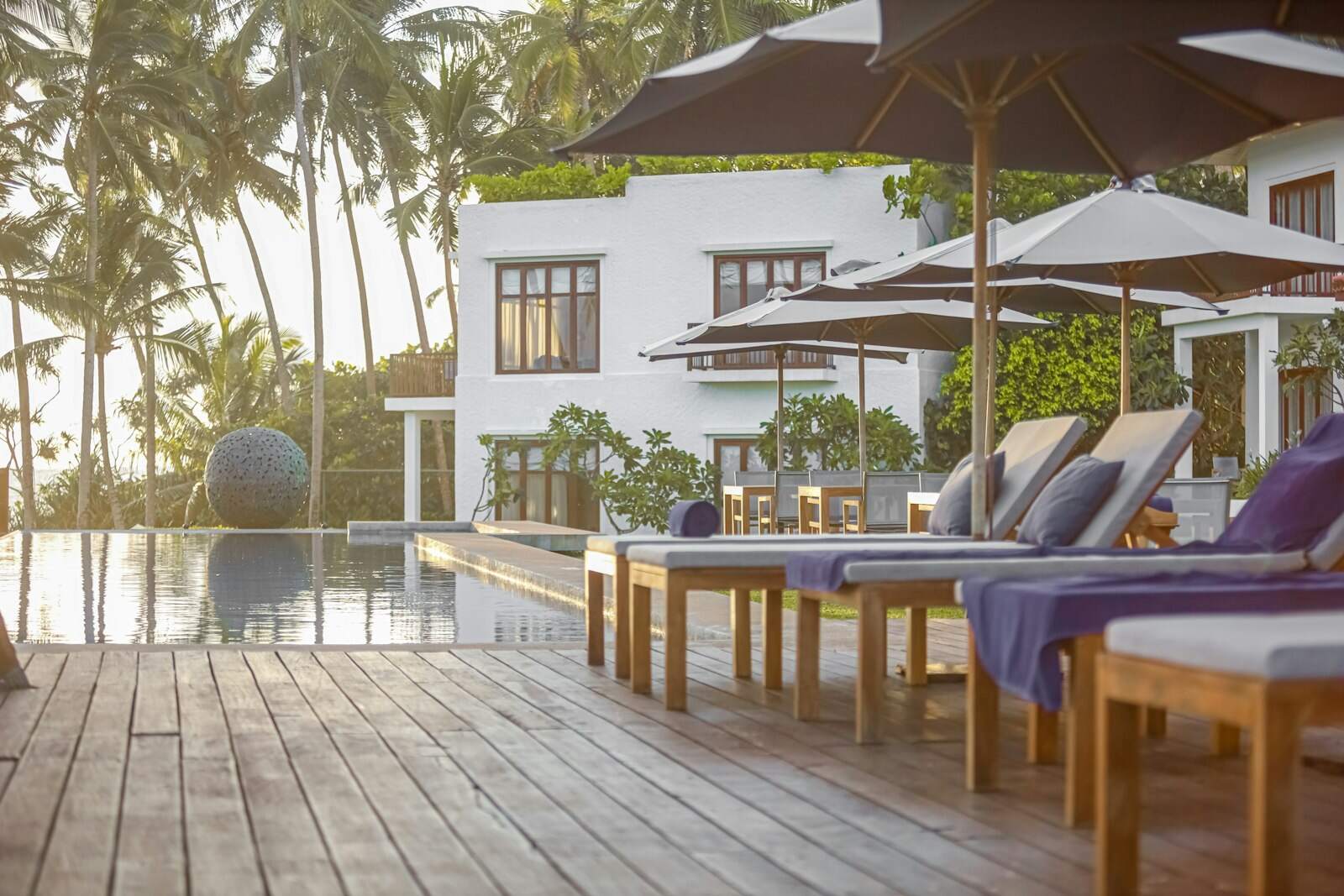
Sri Lanka offers a wide range of accommodations, from luxury resorts and boutique hotels to colonial-era homes and modern properties. Choose lodgings that suit your travel style and budget. Starting your trip with a comfortable stay can set a positive tone for your holiday.
Guides and Local Insights
Hiring a knowledgeable and vetted guide can enhance your trip by providing cultural context, helping navigate local customs, and assisting with practical needs like finding ATMs. Be cautious of guides who may prioritize commission-based stops at shops or malls; seek recommendations for trusted professionals.
Health and Practical Tips
Before traveling, consult your doctor about vaccinations such as hepatitis and tetanus. Sri Lanka is malaria-free, so anti-malarial medication is not typically required. For visa arrangements, apply online with a passport valid for at least six months beyond your return date; approvals usually arrive within a few days.
The Sri Lankan rupee cannot be exchanged outside the country, so it’s best to bring cash and use local ATMs or banks for currency exchange. Try to use up your local currency before leaving, as converting back can be difficult.
When visiting Buddhist temples, be prepared for hot stone floors—wearing socks after 9 a.m. can protect your feet from heat while allowing you to explore comfortably.
What tourists should know
Sri Lanka’s two monsoon seasons affect the best times and places to visit, so plan accordingly. Travel times can be longer than expected due to road conditions, so build a realistic itinerary. Consider hiring a private driver or guide for convenience. Bring socks for temple visits to protect your feet from hot floors.
Travel tip
Carry socks for temple visits to protect your feet from hot stone floors after mid-morning.